From Tiles to Glass: How Twyford Tanzania Entered the Narrative of National Development
 2026-04-23
Over the past week, media outlets across all tiers in Tanzania have turned their attention to Twyford Tanzania. This includes state-level media like Daily News and the Tanzania Broadcasting Corporation (TBC), commercial outlets such as The Citizen and The Guardian, as well as influential online platforms like Michuzi Blog and JamiiForums. All have provided concentrated coverage of Twyford Tanzania's development from various perspectives.
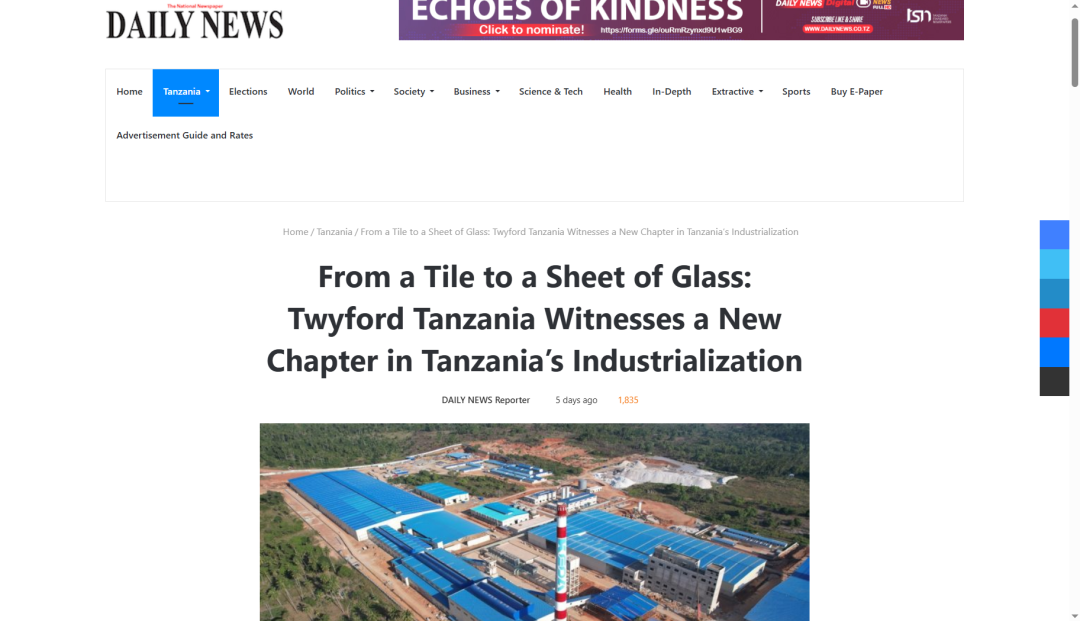
In a highly stratified media environment, this kind of "synchronized attention" spanning official, commercial, and public platforms often signifies that a company is no longer just a market entity, but has begun to anchor a broader industrial narrative.
So, a natural question arises: Why this company?
An intuitive entry point is the physical spaces that Twyford Tanzania’s products have entered. In the neonatal wards of hospitals in Dar es Salaam, high-quality tiles cover clean, bright floors; in influential local medical institutions, durable and standardized building materials contribute to a modernized environment; and in government office buildings in southern towns, neatly paved tiles reflect the order and functionality of public architecture. While these scenes may seem commonplace, they collectively point to a relatively stable supply source—Twyford Tanzania.
These seemingly ordinary building materials constitute a micro-level entry point for all strata of Tanzanian society to observe the company. When products consistently integrate into public service and infrastructure systems, their significance often transcends the level of a single commodity.
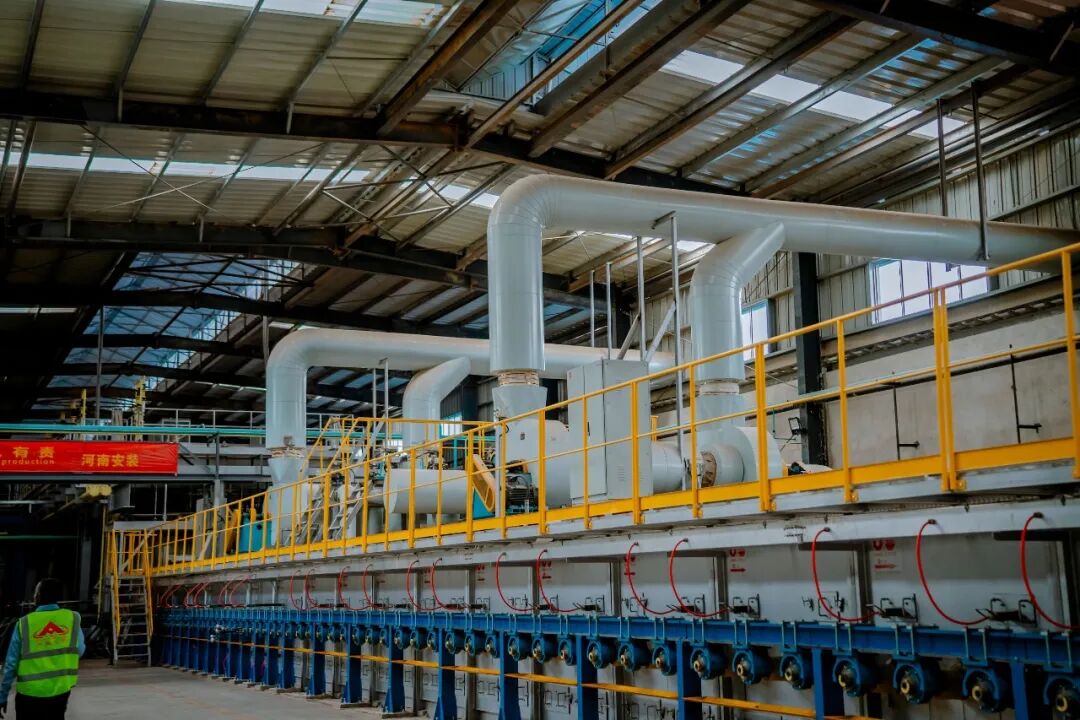
From the production perspective, this capability relies on a relatively comprehensive manufacturing system. The ceramic production base located in Chalinze, along with two glass factories in Mbezi and Nyamato, jointly form the company's core layout in Tanzania:
Chalinze Ceramic Production Base: Covering nearly 230 acres with almost 1,000 employees, it is equipped with multiple automated production lines. It has achieved large-scale manufacturing across the entire process—from raw material processing and pressing to firing and packaging.
Mbezi and Nyamato Glass Factories: Spanning a combined area of nearly 296 acres with a total workforce exceeding 2,000 employees, these facilities can melt over 1,100 tons of glass raw materials daily. They produce architectural glass products ranging from 3mm to 12mm in thickness, including clear glass, tinted glass, reflective glass, and mirrors.
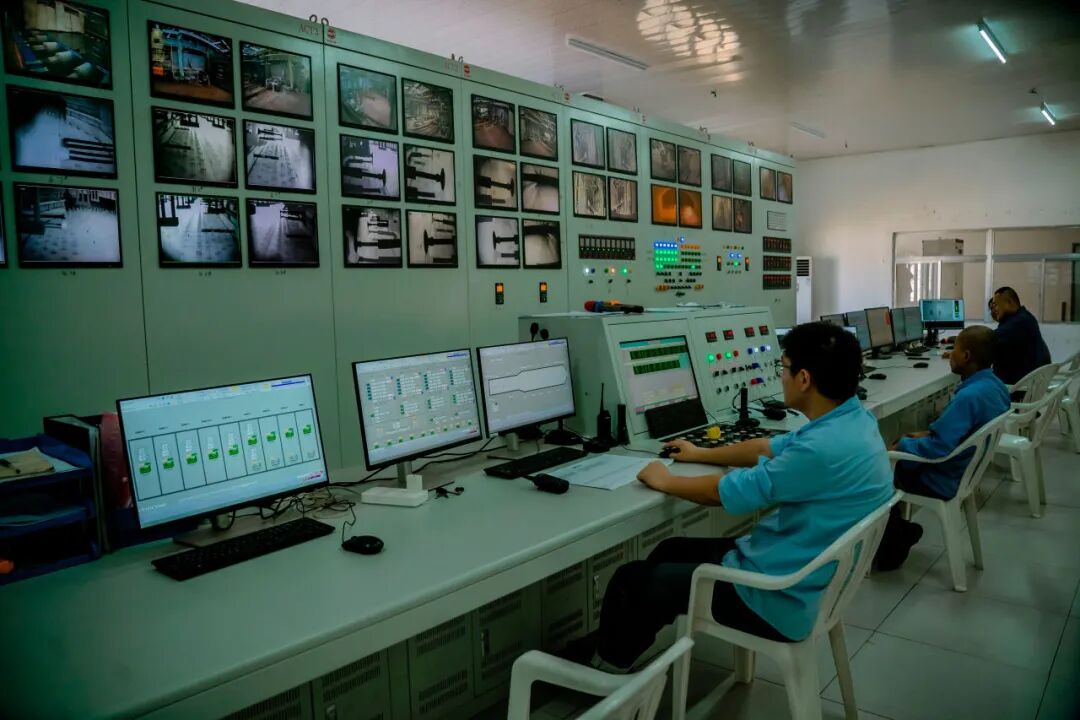
Looking solely at the change in categories, moving from tiles to glass might seem like a mere extension of the product line. However, at the industrial level, this represents a horizontal expansion of manufacturing capabilities—shifting from producing a single building material to providing a more complete material supply system. This transformation has altered the company's role within Tanzania's industrial manufacturing supply chain: it is no longer just a link that fulfills demand, but is gradually becoming a central node that organizes supply.
This change is also reflected in the expansion of its market boundaries. Twyford Tanzania’s products serve not only the local market but have also entered over 40 countries and regions across East Africa, Southern Africa, the Middle East, North America, and Europe, earning high praise from consumers. The expansion of its export footprint marks the company’s transition from "local manufacturing" to "regional supply," a shift fundamentally supported by robust production standards, cost control, and logistics systems.
In a more macroscopic context, Twyford Tanzania’s ability to attract such attention is closely related to its deep integration into the local economy. By providing employment, contributing tax revenues, and generating foreign exchange, the company has become a vital component of the local industrial system. Particularly in developing economies with relatively weak manufacturing foundations, enterprises possessing such large-scale production capabilities are often regarded as the "fulcrum" of the industrialization process.
However, taking a deeper look reveals another underlying logic: the formation of industrial capabilities relies not only on equipment and capital but also on people.
A recurring detail in related media reports is the growth trajectory of Twyford Tanzania's local employees: moving from frontline operators to technical backbones, and further to grassroots managers. This promotion mechanism, based on training and practical experience, equips the manufacturing system with an endogenous talent supply. Currently, local employees account for over 90% of Twyford Tanzania's workforce. This structural makeup not only reduces operational costs but also enables the company to embed itself more deeply and effectively into the local society.
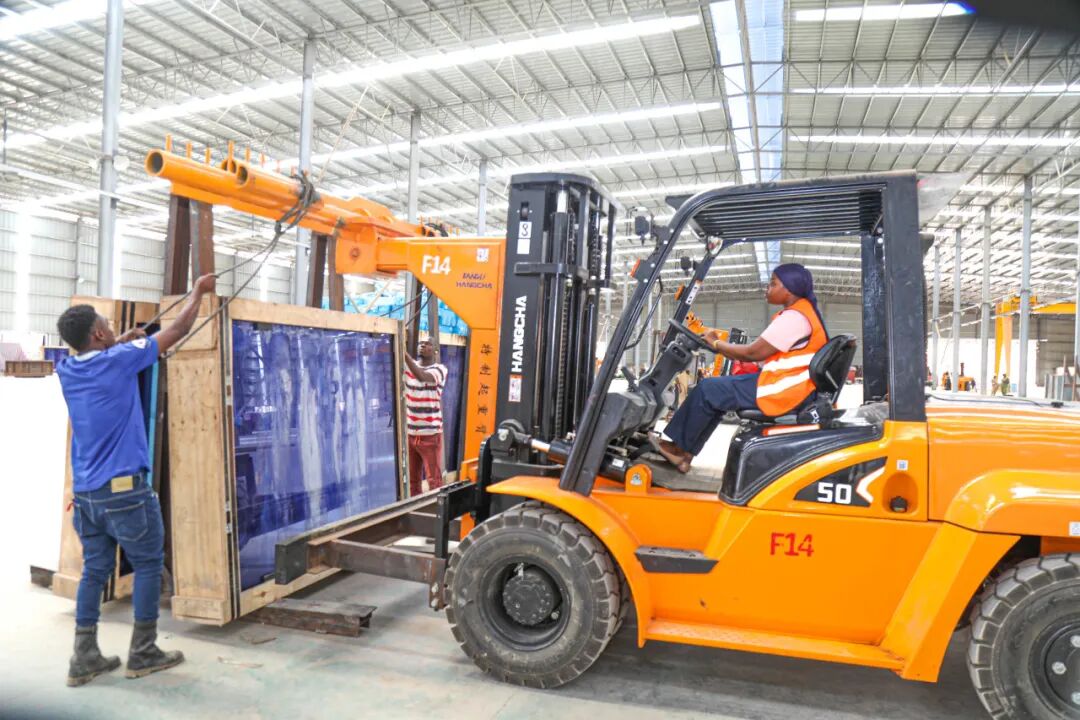
Correspondingly, Twyford Tanzania has established a strong presence at the community level. Whether through material support for schools or participation in public events of national symbolic significance, these actions—while not directly impacting production capacity—have reshaped the relationship between the company and society. The company is transitioning from a mere economic participant to a social entity with long-term attributes.

Considering all these factors, Twyford Tanzania is receiving concentrated media coverage not merely because of its scale or growth speed, but because of the trajectory it embodies: establishing a foundation through localized production, enhancing efficiency through technology and management, and achieving external expansion through regional markets.
Against the backdrop of Tanzania’s drive for industrialization, when a company simultaneously enters the multiple narratives of officialdom, the market, and the public, what Twyford Tanzania represents is no longer just the developmental path of a manufacturing enterprise. It is a practical manifestation of gradually improving people's lifestyles by continuously providing superior solutions—perhaps the truest real-world annotation of "Better Solutions, Better Life."


Recommended news
2026-05-08
Twyford Cameroon Honored with "Industrial Leadership Award" at the 4th Cameroon Finance Week 2026
2026-04-27
Twyford International Breaks Ground on Guinea’s First Ceramic Factory, Expanding West African Footprint
2026-04-13
Innovation & Metamorphosis, Forging a Shared Future | 2026 Twyford International Côte d’Ivoire Distributors Conference Concludes Successfully in Abidjan